Northern Ontario homeowners tend to call an electrician for the same short list of jobs. Panel upgrades come first, often to move an old 60 or 100-amp service up to 200 amps. EV chargers follow close behind, and most need that larger panel plus an ESA permit before they go in. Backup generators matter through storm season, with sizing the part people most often get wrong. The smaller calls, LED conversions and general troubleshooting, round out the list. Across all of it, a Licensed Electrical Contractor pulls the permit and the work gets inspected.
Key takeaways:
- A 200-amp panel upgrade gives an older home room for modern loads and retires the old fuse box
- Level 2 EV chargers draw 30 to 60 amps and usually need a 200-amp service plus an ESA permit
- A standby generator keeps the furnace, fridge, and well pump running, but only when it is sized right
- LED conversions cut the hydro bill, and quick troubleshooting catches wall problems early
- Every job needs a Licensed Electrical Contractor and an ESA inspection to meet code
Only after they have to do something about it does the average person think about their house wiring. A breaker keeps tripping, or a new appliance won’t run, and all of a sudden, an electrician happens to be on the call list. There are basically some tasks that lead the owner to call. The same names come up year after year, and a handful of them crop up far more frequently than the others. Understanding what those jobs actually entail helps you pre-plan and budget before you call a North Bay electrician.
Electrical Services gets the same kind of requests, month after month and an electrician works on more than just homes. Here’s a peek at what’s close to the top of that list, and what it really involves.
Panel Updates for a Mature Operation
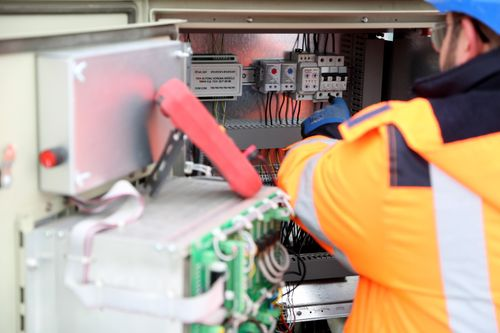
It starts with the panel most of the time. Many homes still have either 60- or 100-amp service that was fine for a kitchen and some lights way back when. Want to add a hot tub, heat pump or finished basement? That old panel runs out of space fast. A North Bay electrician can size the load and recommend a 200-amp upgrade that provides ample headroom for the house to take what modern demand throws without nuisance trips. Unlike the old fuse box, it even installs proper breakers in its place: something any insurance company is bound to want to see.
All EV Charger Installations are Completed to Code
Electric vehicles have changed the requirements of a home panel, to begin with. Level 2 chargers operate at 240 volts and feature a steady pull of between 30 and 60 amps. That is an awful load, more than most ranges or dryers. For a 200-amp service, the bare minimum for one without additional modifications, and usually requires the panel to be upgraded or a load management arrangement first with a 100-amp panel.
The paperwork matters too. Each Level 2 install costs ESA a Notification of Work and an inspection, and that work can only be done by a Licensed Electrical Contractor.
Backup Generators for Storm Season
In Northern Ontario, a backup generator is no longer just a convenience; it is a necessity. The power will sometimes fail for a day or two, so the generator runs the furnace, the fridge, and the well pump. A standby unit, connected to the panel via a transfer switch, is automatic and starts on its own when power from the grid fails. This is where people get caught up in sizing. One of the most common mistakes is getting a unit that has too low a load for the loads that actually need to survive the outage.
Wrapping Up
No matter the job, the Ontario rule remains the same. Only a Licensed Electrical Contractor pulls the permit, and the work gets inspected: your evidence that the work is code-compliant and your cover when some buyer or insurer demands an explanation.
Featured image source: https://images.pexels.com/photos/17842843/pexels-photo-17842843.jpeg